


Technology and Impact
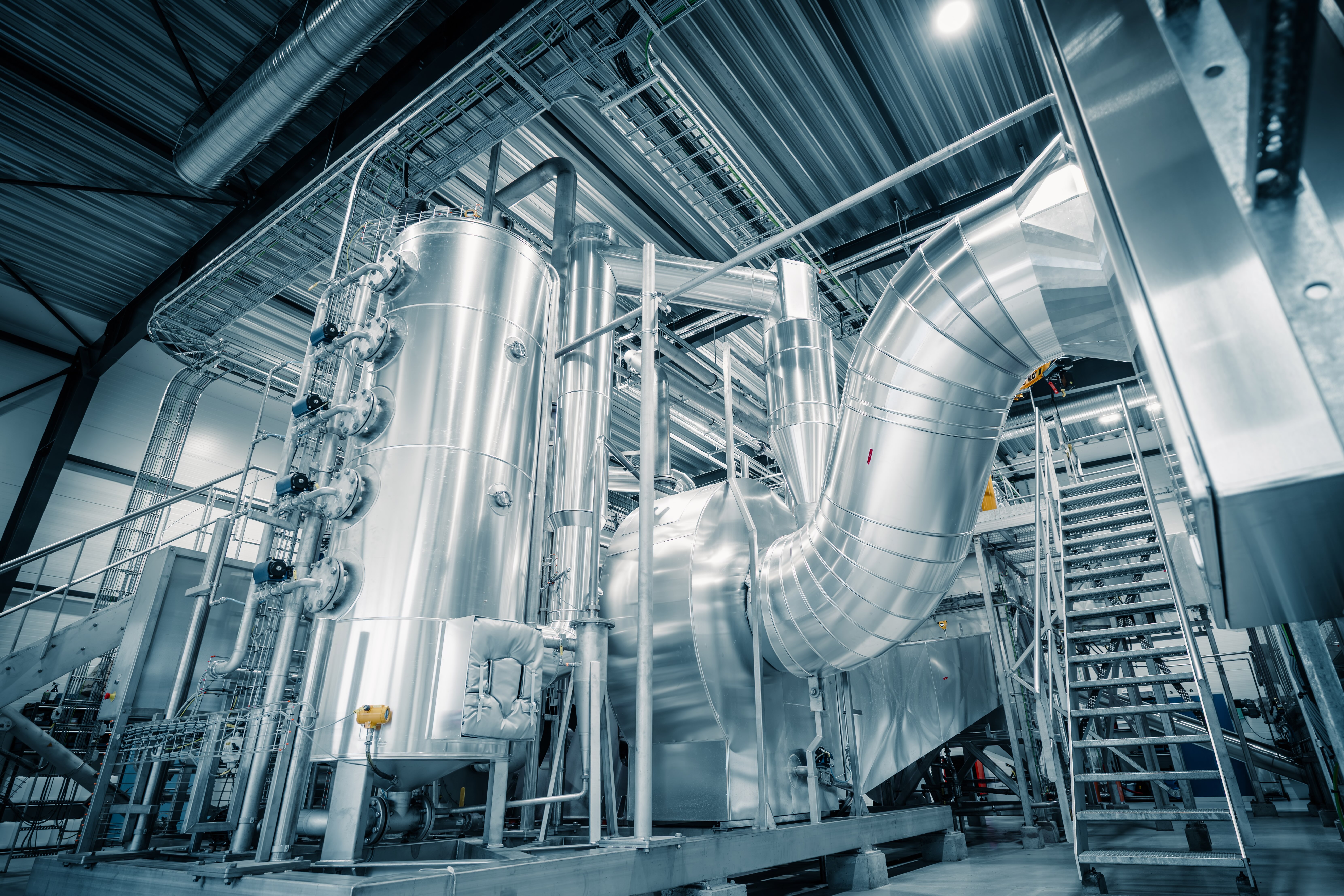
AquaGreen develops integrated steam-drying and pyrolysis technology that transforms municipal wastewater biosolids into valuable biochar. Its HECLA® Setores solution helps wastewater utilities eliminate organic pollutants, reduce greenhouse gas emissions and recirculate critical nutrients such as phosphorus.
By converting biogenic carbon into stable biochar, AquaGreen combines long-term carbon sequestration with resource recovery—turning a disposal challenge into an opportunity for sustainable biosolids management.
For every 1000 metric tonnes of dry matter treated:
• Store ~500 tonnes of carbon in biochar
• Produce ~2000 MWh of sustainable energy
• Reduce greenhouse gas emissions by ~1800 tonnes of CO2e

BCSA Model
We invested in AquaGreen based on its clear BCSA profile. By combining improved environmental performance with opportunities to reduce disposal costs and recover valuable resources AquaGreen's integrated, modular technology provides a scalable approach to sustainable biosolids management.
The Aqua Green HECLA® Setores system achieves 99% organic pollutant elimination, addressing PFAS, PAHs, microplastics and pharmaceutical residues. The process retains valuable phosphorus in biochar and stabilises biogenic carbon for long-term storage, helping wastewater utilities reduce environmental impacts while recovering resources from sludge.
The process is largely energy neutral and uses energy recovered from the sludge to enable autothermal operation, depending on sludge composition. Reduced disposal costs and potential revenue from biochar, thermal energy and carbon removal credits support the business case. Indicative payback periods are 4–11 years, depending on site-specific conditions.
The HECLA® Setores system integrates steam-drying, pyrolysis and energy recovery in one automated, modular solution. Available in two plant sizes, it is designed for continuous operation and integration into existing wastewater treatment facilities.
Built from standard industrial components, the solution can be rapidly assembled and deployed using outsourced production and local installation teams. AquaGreen has already delivered operational units and secured municipal contracts, with a structured market-entry strategy ready for scale across verticals and geographies. The modular design and planned “as-a-service” model further support scalable and repeatable expansion.